
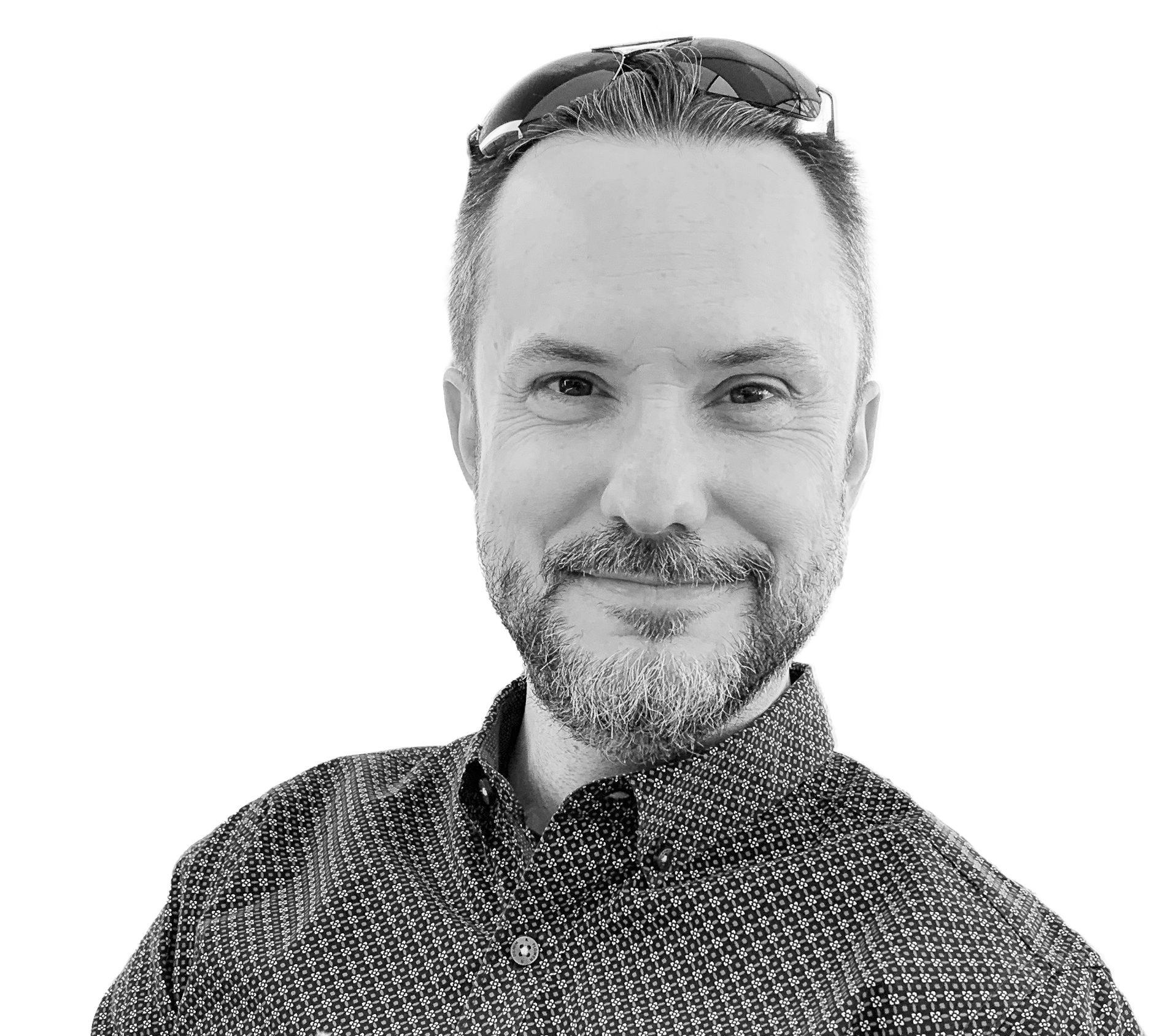
Discover Douglas Howe
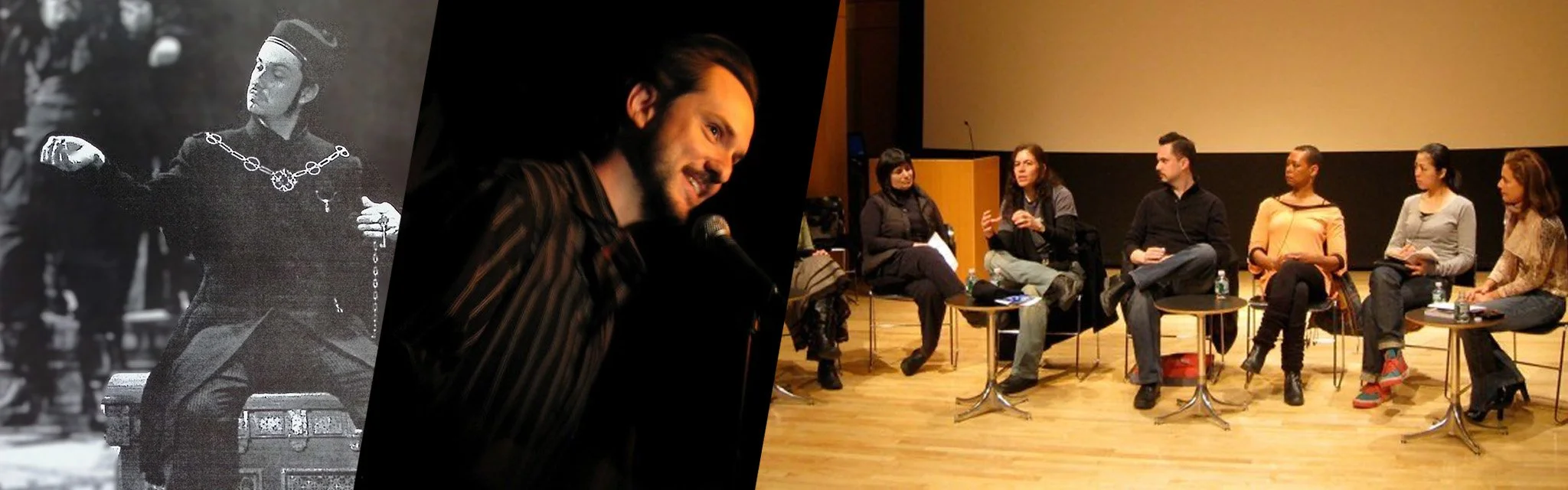
I didn’t set out to become a consultant. I set out to be an actor.
I trained at the Carnegie Mellon School of Drama alongside world class artists and masters, who collectively ignited my lifelong study of communication, influence, and human behavior.
After graduating, I began my career on stage and screen. Over time, my role expanded into directing, writing, and producing. I was no longer the first violin. I had become the conductor.
In 2007, following my selection for the Lincoln Center Directors Lab, I became Artistic Director for the Internationalists, where I led a collective of 40 directors from 25 countries. Strong-willed, brilliantly diverse, and not always easy to align.
I didn't know it at the time, but leading that group was my first real education in leadership.
Then I made one of the boldest decisions of my life.
I left the art world and stepped into the corporate world.
Everything I had spent years developing seemingly lost its value. I felt disoriented and uncertain.
Eventually, I found my footing through executive coaching.
And I discovered that the skills I had developed as a performer and director weren’t just transferable. They were exactly what many leaders were missing:
➜ Understanding what someone is communicating before they’ve said a word
➜ Creating conditions where people feel safe enough to the tell the truth
➜ Challenging someone to build them up, not break them down
These aren’t soft skills. They’re essential human skills required for effective leadership.
As I deepened my understanding of behavioral science and organizational psychology, the parallels became impossible to ignore.
At the intersection of art and science, we understand the complexity of human behavior:
➜ How people show up
➜ How they make decisions
➜ How they influence others
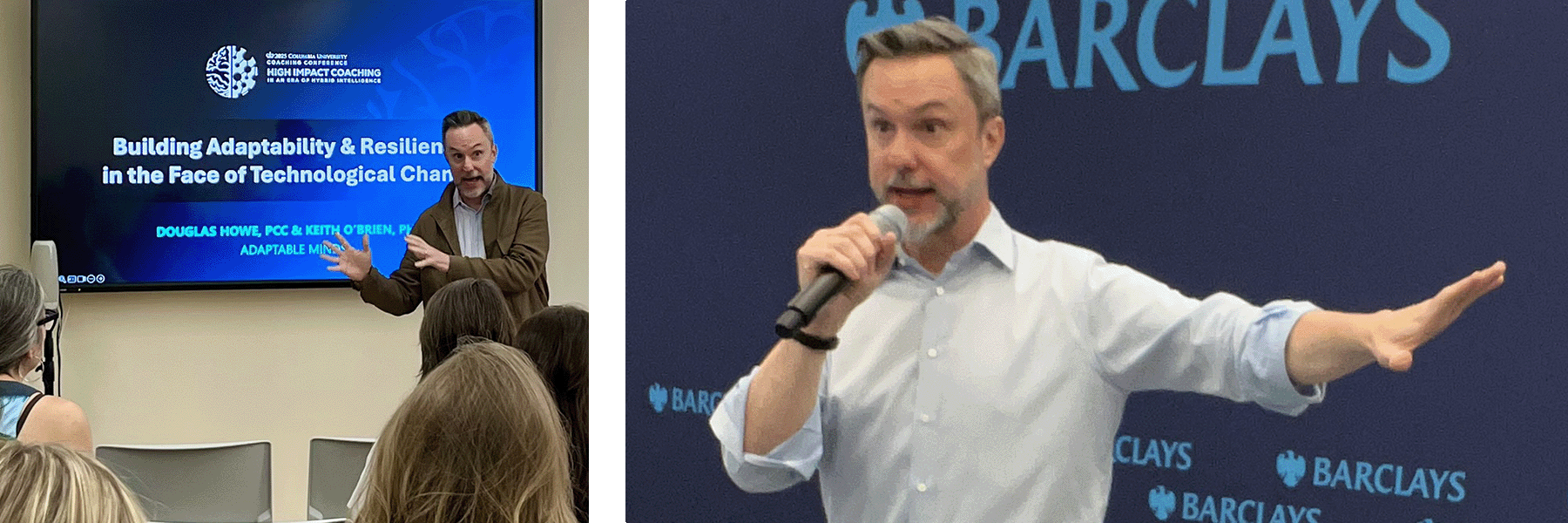
In critical moments, a shift in presence and clarity can change everything.
In 2019, I joined MindGym as a master coach and facilitator. The behavioral science, the facilitation methodology, the understanding of how people behave under pressure — it was the same conversation I’d been having my whole career, just in a different room.
I went on to serve as Global Head of Coaching & Facilitation, leading a network of 500+ practitioners across 34 countries and helping shape programs for some of the world’s most demanding organizations.
The scale changed. The human dynamics didn’t. From the stage to the boardroom, the through line is this:
People are not problems to be solved, but stories to be understood.
This belief shapes everything I do.
Today, I run my own practice, partnering with senior leaders and their organizations to build the kind of leadership that lasts.
Not through a program or a curriculum, but through relationships built on honesty, rigor, trust, and the understanding that leadership is, at its core, a human endeavor.